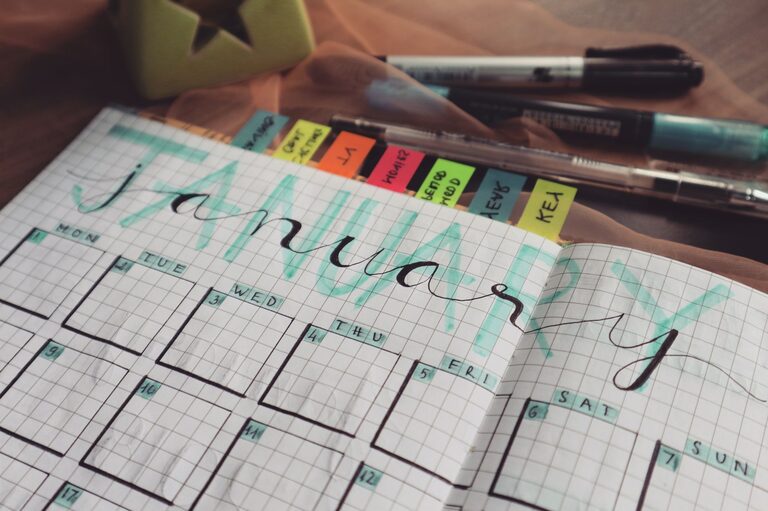

Managing your finances doesn’t have to be complicated or stressful. By developing simple budget habits, you can keep track of your money, avoid overspending, and save more each day. Whether you’re new to budgeting or looking to improve your current routine, these straightforward habits can make a big difference in your financial well-being.
Why Simple Budget Habits Matter
Building good money habits isn’t about restricting yourself; it’s about being mindful and intentional with your spending. When you have a clear plan, you’re less likely to make impulsive purchases or run out of funds before payday. Simple habits help you:
– Stay organized with your expenses
– Identify areas to cut costs without feeling deprived
– Build savings for future needs or emergencies
– Reduce money-related anxiety and stress
The key is consistency. Even small actions, done regularly, add up over time.
1. Track Your Spending Daily
One of the most effective budget habits is to monitor what you spend every day. You don’t need fancy software — a notebook or a simple app will do.
How to track spending
– Write down every purchase, no matter how small
– Include cash, cards, and online payments
– Review your list at the end of each day to stay aware
This practice helps you see exactly where your money is going and identify unnecessary expenses you can cut.
2. Set Clear Budget Categories
When you have clear categories, it’s easier to allocate your money and avoid overspending in one area. Common categories include:
– Housing (rent or mortgage)
– Utilities (electricity, water, internet)
– Groceries and household supplies
– Transportation (gas, public transit)
– Dining out and entertainment
– Savings and debt repayment
Assign a reasonable monthly limit to each category based on your income. This gives you a roadmap to follow.
3. Prioritize Paying Yourself First
Saving money is often easier when you treat it like a monthly bill. “Paying yourself first” means setting aside savings before you cover other expenses.
Tips for paying yourself first
– Automate transfers to a savings account right after payday
– Decide on a fixed amount or percentage of your income to save
– Create different savings goals, like an emergency fund or vacation
This habit builds your financial security without disrupting your regular spending.
4. Use Cash for Discretionary Spending
Using cash can help you stay within your budget on non-essential items such as dining out, hobbies, or entertainment.
Benefits of cash budgeting
– Limits spending to the cash you have available
– Makes you think twice before making a purchase
– Helps avoid credit card debt
Try withdrawing a set amount of cash for discretionary spending each week and stick to it.
5. Plan Your Meals and Grocery List
Food expenses are a big part of most budgets. Planning meals ahead of time helps reduce food waste and unnecessary trips to the store.
How meal planning supports your budget
– Prevents last-minute takeout or expensive convenience foods
– Lets you buy ingredients in bulk or on sale
– Encourages healthier, home-cooked meals
Before grocery shopping, write a list based on your meal plan and stick to it to avoid impulse buys.
6. Shop Smart & Look for Deals
Saving money on purchases doesn’t mean buying cheap or lower quality; it means being a smart shopper.
Strategies to save money when shopping
– Compare prices online before buying
– Use coupons, discounts, or cashback offers
– Purchase off-season items or during sales
– Buy store brands instead of name brands for basics
These small savings accumulate over time.
7. Review Your Budget Weekly
Commit to checking your budget once a week. This keeps you on track and helps adjust for any unexpected expenses.
What to do during your review
– Compare actual expenses to your budget
– Identify areas where you overspent or underspent
– Adjust your budget limits if needed
– Celebrate small wins to stay motivated
A quick weekly check-in prevents surprises and keeps your financial goals in focus.
8. Avoid Using Credit for Everyday Expenses
Credit cards can be useful but relying on them for daily spending can lead to debt.
Tips to manage credit use
– Use credit cards only for planned or essential expenses
– Pay off your balance in full each month to avoid interest charges
– Monitor your credit usage and avoid maxing out your cards
When possible, use cash or debit to keep your spending within your means.
9. Set Realistic Financial Goals
Having clear goals gives your budgeting purpose. Whether it’s saving for a new gadget, paying off debt, or building an emergency fund, define your priorities.
Goal-setting tips
– Make goals specific and measurable (e.g., save $500 in 6 months)
– Break large goals into smaller milestones
– Celebrate progress to stay motivated
Goals help you stay committed to your budgeting habits.
10. Practice Patience and Flexibility
Budgeting is a skill you build over time. Some weeks will be easier than others. If you overspend, don’t be discouraged—adjust and keep going.
Remember:
– Small, consistent habits lead to long-term success
– Your budget can evolve as your income or expenses change
– Stay positive and focus on progress, not perfection
—
Final Thoughts
Creating and sticking to simple budget habits can transform your everyday financial life. By tracking spending, planning ahead, and setting realistic goals, you gain control over your money and reduce stress. Start small, stay consistent, and watch how these habits help you build a stronger financial future.
About the Author