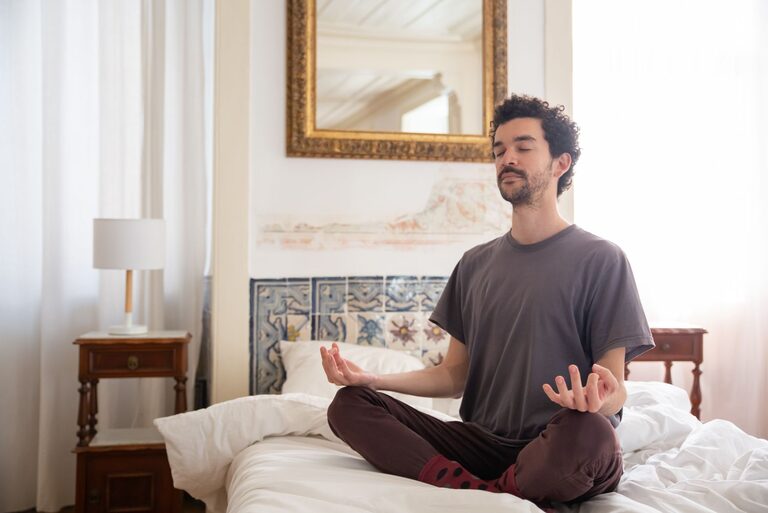
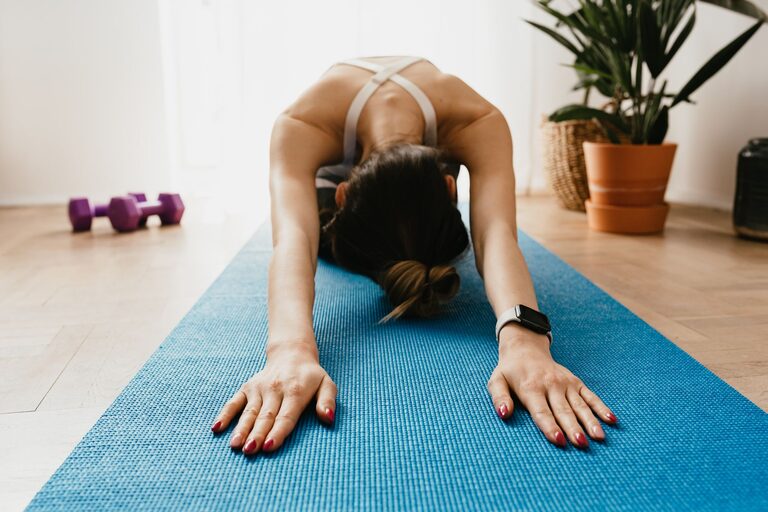
Stretching is a gentle and effective way to improve flexibility, reduce muscle tension, and promote overall well-being. Whether you’re looking to warm up before exercise, cool down afterward, or just incorporate some movement into your daily routine, stretching at home is an accessible and convenient option. This guide will walk you through the basics of stretching, share beginner-friendly stretches, and offer tips to make your practice safe and enjoyable.
Why Stretching Matters
Stretching helps maintain healthy muscles, joints, and tendons. It can:
– Increase your range of motion
– Improve posture
– Reduce muscle soreness and stiffness
– Lower your risk of injury
– Promote relaxation and stress relief
Incorporating regular stretching into your day can make everyday activities easier and more comfortable.
Types of Stretching
Before starting, it’s helpful to understand the two main types of stretching:
Static Stretching
This involves holding a stretch for a set period, usually 15 to 60 seconds. It’s ideal for cooling down after exercise and helps lengthen muscles.
Dynamic Stretching
Dynamic stretches include gentle movements that take your joints through their full range of motion. These are great for warming up before physical activity.
For beginners stretching at home, static stretches are often the safest and simplest way to start.
Preparing to Stretch at Home
1. Choose a Comfortable Space
Find a quiet, open area with enough room to move freely. A yoga mat or soft surface can provide extra comfort.
2. Wear Comfortable Clothing
Loose or stretchy clothes allow you to move easily without restriction.
3. Set Aside Time
Aim for 10 to 20 minutes per session. Consistency is key, so try to stretch at the same time daily or several times a week.
4. Warm Up Lightly
If possible, do a few minutes of light activity like walking or marching in place before stretching to increase blood flow to your muscles.
Beginner-Friendly Stretching Routine
Here’s a simple routine that targets major muscle groups:
Neck Stretch
– Sit or stand tall.
– Slowly tilt your head to the right, bringing your ear toward your shoulder.
– Hold for 20 seconds, then switch sides.
– Repeat 2-3 times.
Shoulder Stretch
– Bring your right arm across your chest.
– Use your left hand to gently pull your arm closer.
– Hold for 20 seconds, then switch sides.
– Repeat 2-3 times.
Cat-Cow Stretch (Spine Mobility)
– Start on your hands and knees.
– Arch your back upward (cat), tucking your chin toward your chest.
– Then lower your belly toward the floor, lifting your head and tailbone (cow).
– Repeat slowly 8-10 times.
Seated Forward Bend
– Sit on the floor with legs extended.
– Slowly reach toward your toes, keeping your back straight.
– Hold for 20-30 seconds.
– Repeat 2 times.
Standing Quadriceps Stretch
– Stand and hold onto a chair or wall for balance.
– Bend your right knee and hold your ankle behind you.
– Keep knees close together and push your hips slightly forward.
– Hold for 20 seconds, then switch legs.
– Repeat 2-3 times.
Calf Stretch
– Stand facing a wall.
– Place your hands on the wall at shoulder height.
– Step one foot back, keeping it flat on the floor and knee straight.
– Lean into the wall until you feel a stretch in your calf.
– Hold for 20 seconds, then switch sides.
– Repeat 2 times.
Tips for Safe Stretching
– Avoid bouncing: Stretch slowly and steadily to prevent muscle strain.
– Don’t force it: Stretch only to the point of mild tension, not pain.
– Breathe deeply: Deep, even breaths help your muscles relax.
– Listen to your body: If a stretch hurts, ease up or skip it.
– Stay hydrated: Drinking water supports muscle health.
How Often Should You Stretch?
Aim to stretch at least 3-4 times per week to see improvements in flexibility. Short daily sessions are even better if you can manage them.
Tracking Progress and Staying Motivated
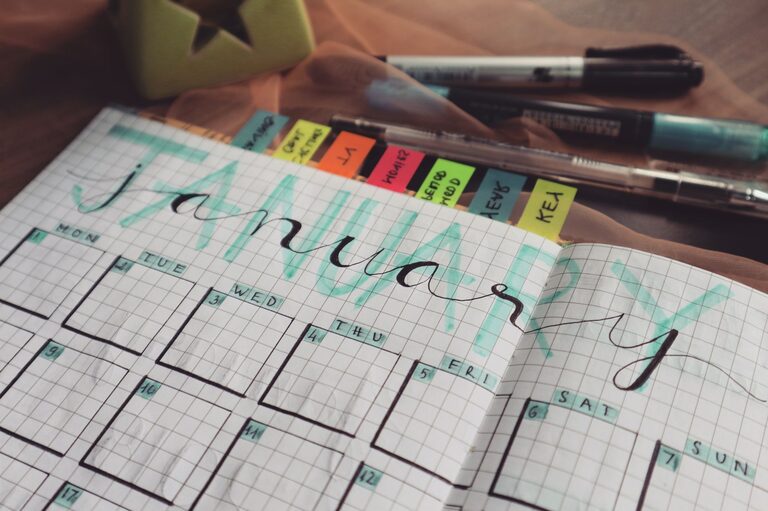
Keeping a simple log of your stretching routine can help you stay consistent. Note which stretches you do, how long you hold them, and any improvements you notice. Setting small, achievable goals—like touching your toes or holding a stretch longer—can keep you motivated.
When to Seek Professional Advice
If you experience persistent pain, discomfort, or have existing health conditions, it’s wise to consult a fitness professional or physical therapist before starting a new stretching routine.
Final Thoughts
Stretching at home is a flexible and rewarding way to enhance your physical health and relaxation. With a little time and attention, you can build a routine that fits your needs and lifestyle. Remember to be patient with yourself—it takes time to gain flexibility, but every stretch brings you closer to feeling better and moving more comfortably.
Happy stretching!
About the Author