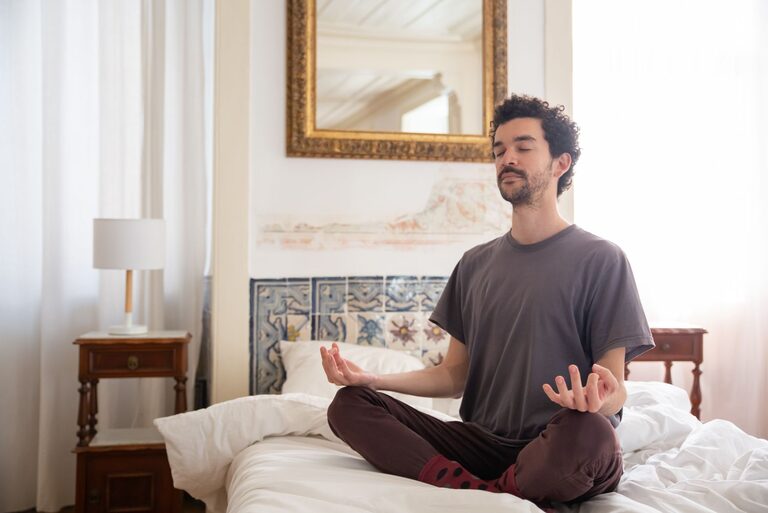

Taking time for self-care is essential for maintaining balance and well-being in our busy lives. You don’t need expensive spa days or costly products to nurture yourself. Many effective self-care practices can be done at home with little or no cost. Here are some easy and affordable ideas to help you unwind, reduce stress, and feel your best—all from the comfort of your own space.
Why Self-Care Matters
Self-care involves activities that promote physical, mental, and emotional health. It helps prevent burnout, improves mood, and increases resilience. Making small, consistent efforts to care for yourself can have a big impact over time.
Low-Cost Self-Care Ideas to Try at Home
1. Create a Relaxing Bath Ritual
A warm bath can soothe tired muscles and calm the mind.
– Add a few drops of essential oils like lavender or eucalyptus for a calming scent.
– Use Epsom salts to help relax muscles.
– Light candles or dim the lights to create a spa-like atmosphere.
– Play soft music or listen to calming sounds.
2. Practice Mindful Breathing or Meditation
Taking a few minutes to focus on your breath can reduce anxiety and improve focus.
– Find a quiet, comfortable spot.
– Close your eyes and take slow, deep breaths.
– You can use free apps or online videos to guide you through meditation.
– Even 5–10 minutes daily can make a difference.
3. Enjoy a DIY Facial
Pamper your skin with natural ingredients you may already have.
– Cleanse your face gently with warm water.
– Mix honey and yogurt to make a hydrating mask.
– Apply the mask and relax for 10–15 minutes.
– Rinse with lukewarm water and apply your favorite moisturizer.
4. Get Moving with Gentle Exercise
Physical activity boosts endorphins and energy levels.
– Try yoga, stretching, or simple bodyweight exercises.
– Use online videos designed for beginners.
– Even a short 10-minute session can enhance your mood.
– Walking outside or around your home is also great.
5. Make Time for a Creative Hobby
Engaging in creative activities reduces stress and fosters joy.
– Try drawing, coloring, journaling, or crafting.
– Use basic supplies you already have.
– Focus on the process, not the outcome.
– Allow yourself to experiment and have fun.
6. Unplug and Disconnect
Taking breaks from screens can improve sleep and mental clarity.
– Set specific times to turn off your phone, computer, and TV.
– Use this time to read a book, listen to music, or meditate.
– Limit social media use to reduce information overload.
7. Cook a Nourishing Meal
Preparing and enjoying healthy food supports your body and mind.
– Choose simple recipes with fresh ingredients.
– Experiment with herbs and spices to add flavor.
– Involve your senses; notice the colors, smells, and textures.
– Eating mindfully enhances digestion and satisfaction.
8. Practice Gratitude
Focusing on what you appreciate can boost positivity.
– Keep a gratitude journal and write down three things you’re thankful for each day.
– Reflect on positive moments before bed or after waking up.
– Share your gratitude with family or friends.
Tips to Make Self-Care a Habit
– Schedule regular self-care time in your calendar.
– Start with small, manageable activities.
– Be kind to yourself and avoid perfectionism.
– Mix and match activities to keep it enjoyable.
– Remember, self-care is about what feels good and nourishing to you.
Conclusion
Self-care doesn’t have to be expensive or complicated. By incorporating these low-cost ideas into your routine, you can cultivate relaxation, reduce stress, and improve your overall well-being—all from the comfort of your home. Start with one or two activities and build a personalized self-care practice that fits your lifestyle.
Taking care of yourself is a gift worth giving every day!
About the Author