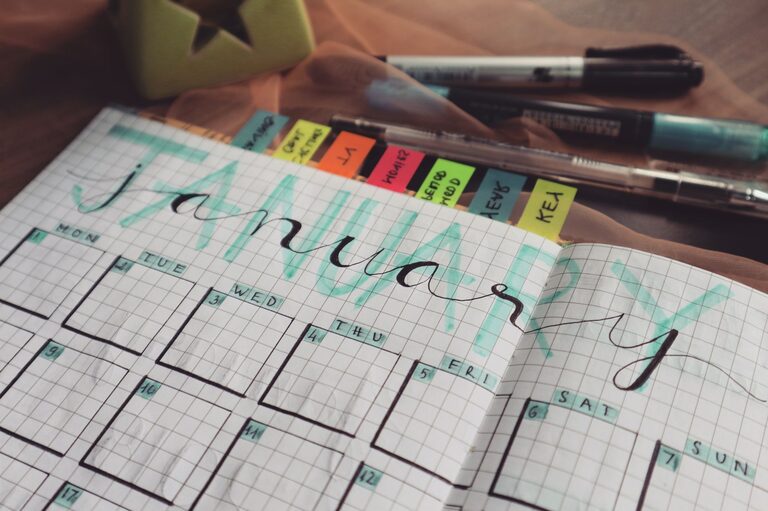

Creating a weekly meal plan can transform your cooking routine, making mealtimes smoother and less stressful. Whether you’re cooking for yourself, your family, or a group, a simple meal plan helps you stay organized, save money, and eat healthier. If you’re new to meal planning or looking for a straightforward approach, this guide will walk you through the basics.
Why Create a Weekly Meal Plan?
Meal planning has several benefits:
– Saves time: Knowing what you’ll cook ahead of time reduces last-minute decision-making.
– Reduces food waste: Planning helps you buy only what you need.
– Improves nutrition: Thoughtful planning encourages balanced meals.
– Saves money: When you shop with a list and plan your meals, you avoid impulse buys.
– Lowers stress: No more worrying about what’s for dinner!
With these advantages in mind, let’s look at how to create a simple weekly meal plan.
Step 1: Assess Your Week Ahead
Before you start, think about your schedule for the upcoming week:
– Which days will you have time to cook?
– Are there any nights you’ll need quick meals or takeout?
– Will you be eating alone or with others?
Knowing this helps you tailor your plan to fit your lifestyle.
Step 2: Choose Your Meals
Start by selecting meals you enjoy and feel confident making. To keep it simple, plan for:
– Breakfast: Choose 2 to 3 easy options to rotate.
– Lunch: Include leftovers, salads, or sandwiches.
– Dinner: Plan 5 to 7 meals, considering cooking time and ingredients.
Tips for Choosing Meals
– Pick recipes with overlapping ingredients to save space and money.
– Incorporate some no-cook or quick-cook options for busy days.
– Consider your dietary goals and preferences.
– Add variety with different proteins, vegetables, and grains.
Step 3: Create a Meal Plan Schedule
Use a calendar or a printable template to assign meals to each day. For example:
| Day | Breakfast | Lunch | Dinner |
|———-|—————–|—————–|—————-|
| Monday | Oatmeal with fruit | Chicken salad | Stir-fry |
| Tuesday | Yogurt and granola | Leftover stir-fry | Spaghetti |
| … | … | … | … |
This visual helps you see the full week at a glance and adjust as needed.
Step 4: Make a Shopping List
Review your meal plan and list all ingredients you’ll need. Organize your list by categories like:
– Produce
– Dairy
– Meat/Protein
– Pantry items
– Frozen foods
Double-check your pantry and fridge to avoid buying items you already have.
Step 5: Shop Smart
Shopping with a list saves time and reduces impulse buys. Consider these tips:
– Shop when you’re not hungry.
– Stick to your list.
– Buy seasonal produce for freshness and savings.
– Take advantage of sales for items you use regularly.
Step 6: Prep Ahead
If possible, prepare some ingredients or meals in advance:
– Chop vegetables and store them in containers.
– Cook grains like rice or quinoa ahead of time.
– Make large batches of soups or stews to eat over several days.
Meal prep reduces cooking time during busy evenings.
Step 7: Stay Flexible
While a plan is helpful, it’s okay to switch meals around or substitute ingredients. Life happens, and flexibility keeps meal planning enjoyable instead of stressful.
Bonus Tips for Success
– Use leftovers: Plan meals that can be reused as lunch or dinner.
– Batch cook: Make double portions and freeze extras for busy days.
– Keep basics stocked: Items like canned beans, pasta, and frozen vegetables are great backups.
– Explore meal planning apps: These can help you organize and find recipes.
Sample Simple Weekly Meal Plan
Here’s an example plan to get you started:
Breakfast Options:
– Greek yogurt with berries and honey
– Scrambled eggs with toast
– Smoothie with spinach, banana, and almond milk
Lunch Options:
– Turkey and avocado sandwich
– Mixed green salad with chickpeas
– Leftover dinner portions
Dinner Options:
– Monday: Baked salmon with roasted vegetables
– Tuesday: Vegetable stir-fry with tofu
– Wednesday: Spaghetti with marinara sauce and side salad
– Thursday: Chicken tacos with salsa and rice
– Friday: Homemade pizza with assorted toppings
– Saturday: Slow cooker chili
– Sunday: Grilled shrimp with quinoa and steamed broccoli
Adjust this template to your tastes and schedule!
Final Thoughts
Creating a simple weekly meal plan doesn’t have to be complicated. With a little preparation, you can take control of your meals, save time, and enjoy cooking more. Start small, stay organized, and discover the many benefits meal planning offers. Happy cooking!
About the Author